Not every chiropractor works with infants and children. Here's what to ask about training, first visits, technique, goals, and your child's comfort.
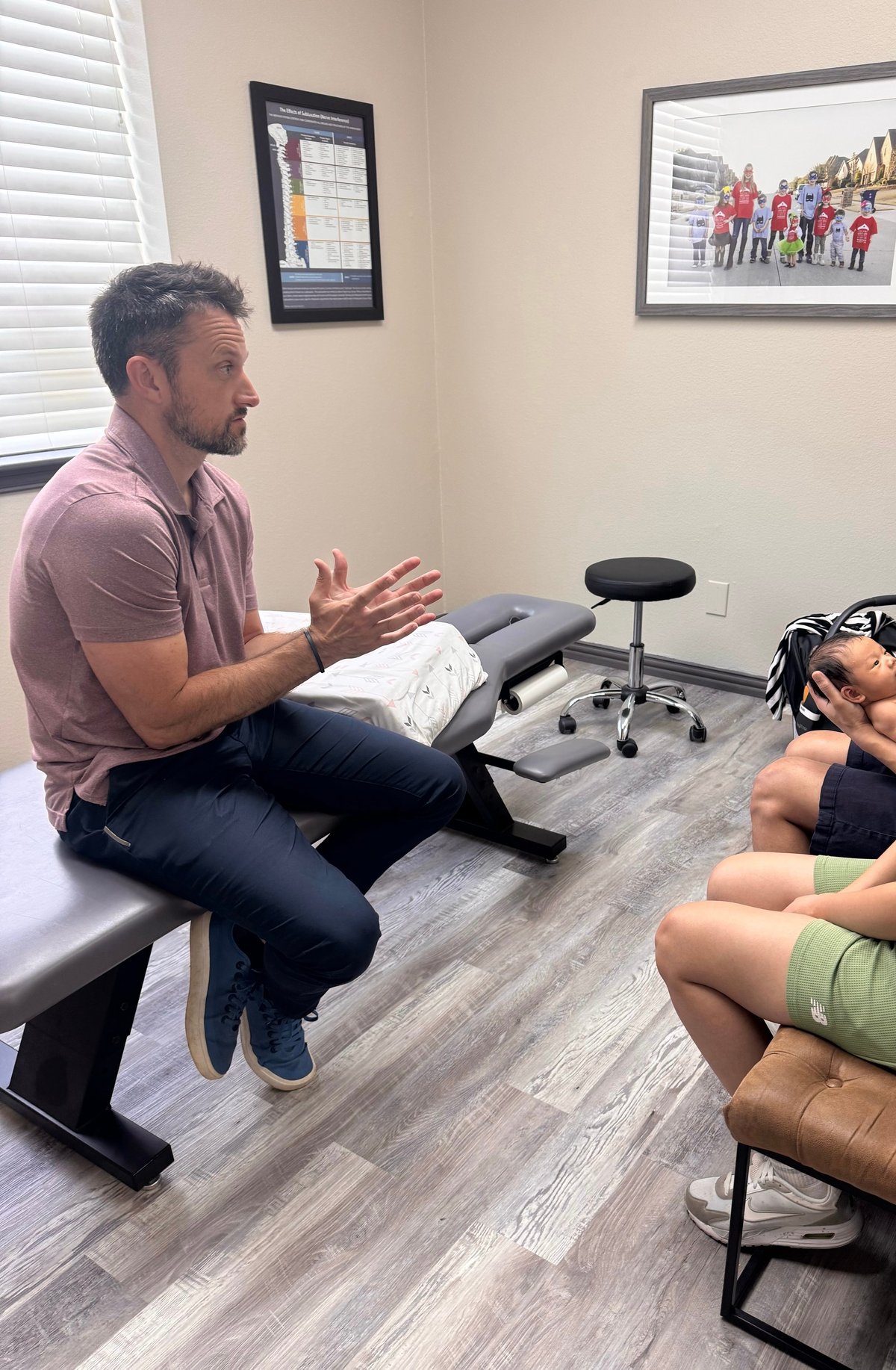
Choosing someone to care for your baby or child is a big decision. You want someone who understands children, takes your concerns seriously, and can explain exactly what they are doing and why.
But how do you know if you've found the right chiropractor?
Not every chiropractor works with infants and children. And even among those who do, training, experience, and approaches to care can look very different.
“I believe parents should feel comfortable asking questions. You should understand your doctor's training, what to expect during a visit, how care is adapted for your child, and how progress is evaluated.”
I also believe it's important to look beyond the one concern that brought you into the office. A child's health history, birth experience, feeding, sleep, movement, and overall development can help provide a bigger picture of how that child is functioning.
Whether you're considering chiropractic care for a newborn, a toddler, or an active teenager, here are seven questions I encourage parents to ask before choosing a pediatric chiropractor.
This is where I would start. Not every chiropractor regularly works with children. Caring for an infant is different from caring for an adult, and understanding those differences matters.
Children are growing and developing. Their bodies, joints, muscles, and nervous systems change as they get older. A chiropractor working with children should have additional education and experience specific to pediatric care.
Here are a few questions worth asking:
At New Directions Chiropractic, I hold Webster Technique certification, completed in 2012, and Pediatric Experience certification, completed in 2022.
Don't be afraid to ask about a chiropractor's education. A good provider should be happy to explain their background and experience.
Working with a newborn is very different from working with a teenager who plays competitive sports. Each stage of childhood brings different developmental changes and different considerations.
Infants
Pregnancy and birth history, feeding, head movement, positioning, and early development.
Toddlers
Movement, coordination, sleep, and how they're adapting to new activities.
Older kids
Physical activity, recovery, mobility, coordination, and everyday stress.
The point is that children aren't just smaller adults. Their needs change as they grow. Ask the chiropractor which ages they regularly work with and how their approach changes depending on the child's age and development.
You want someone who understands the child in front of them, not someone who uses the same approach for everyone.
One of the biggest concerns parents have is not knowing what will happen when they walk through the door. Will the doctor adjust my baby right away? Will my child need an examination? What information should I bring?
A good first visit should give you time to explain your concerns and help the doctor understand your child's history.
That includes asking about:
We also perform an age-appropriate examination to evaluate the areas relevant to your concerns.
Why do I ask so many questions?
Because what you see today may be connected to something that happened much earlier. A child who struggles to settle down, for example, may have a history worth understanding beyond the behavior you see in the office. The goal is to understand the child's overall health and function rather than immediately focusing on one symptom.
After the history and examination, the doctor should explain the findings, discuss whether chiropractic care is appropriate, and answer your questions. Some offices may offer treatment during the first visit, while others schedule it separately. Ask what to expect before your appointment.
A child's body is different from an adult's body. The techniques and amount of force used in pediatric chiropractic care should be appropriate for the child's age, size, and individual circumstances.
Parents should understand what the chiropractor plans to do before any treatment begins. Ask:
You should never feel rushed through these questions. Pediatric chiropractic care is not simply adult chiropractic care performed with less force. It requires an understanding of childhood development, appropriate clinical judgment, and careful consideration of whether a particular intervention is suitable.
No treatment is completely risk-free
A chiropractor should be willing to discuss known risks, limitations, and alternatives without making promises. Chiropractic care does not replace appropriate medical care — if your child has concerning or worsening symptoms, their pediatrician or another qualified medical provider should evaluate them.
This might be one of the most important questions you can ask. Before starting care, you should understand what the chiropractor is evaluating, what goals are being considered, and how progress will be reviewed.
I encourage parents to think beyond simply asking whether something hurts. How well is your child functioning?
Not every concern has an objective measurement, and not every change can be attributed to chiropractic care. That's why setting realistic expectations matters.
Ask the chiropractor:
A good care plan should have a purpose and a point where you stop and evaluate how things are going. You should understand why care is being recommended, how often it is recommended, and what would determine whether it should continue. You should also understand the costs involved before agreeing to care.
You are a parent, and you deserve to be part of those decisions.
Your child's healthcare should not happen in isolation. Chiropractors, pediatricians, physical therapists, occupational therapists, and other healthcare professionals can have different roles in supporting a child's health.
Ask the chiropractor:
A good chiropractor should understand the limits of their profession and recognize when another healthcare provider needs to be involved.
If a child has persistent feeding difficulties, developmental concerns, breathing problems, or other ongoing health issues, those concerns may require evaluation by additional healthcare professionals. Chiropractic care should never replace necessary medical evaluation or treatment.
I want parents to feel like they have a team supporting their child's health, with each provider understanding their role.
This question tells you a lot about how a chiropractor approaches children.
Let's be honest. Babies cry. Toddlers wiggle. Some children are nervous in new environments. Older children may have questions or feel uncomfortable with something unfamiliar. A good pediatric provider should be patient and willing to adapt.
Ask:
I believe a child's comfort and a parent's understanding should always matter. We shouldn't have to force a child through an experience just to complete an appointment.
For older children, I also think it's important to explain what is happening in language they understand and give them an opportunity to ask questions.
And if care isn't appropriate, isn't helping, or isn't producing the expected progress, the chiropractor should be willing to discuss changing the plan or referring to another provider.
Your child deserves care that respects their individual needs.
Choosing a pediatric chiropractor isn't just about finding someone who knows how to perform an adjustment. It's about finding someone who understands children, listens to parents, takes time to evaluate, and can explain their recommendations.
At New Directions Chiropractic, my approach is centered around helping families better understand their health and the importance of a healthy, functioning nervous system. When I work with children, I don't want to look at just one concern — I want to understand the child's history, development, movement, sleep, and overall function.
I've been fortunate to work with families throughout the Allen and surrounding communities, and New Directions Chiropractic was voted Mom Approved 2026 by DFW Child.
If you're looking for a chiropractor who works with babies, children, and expecting mothers, we'd love to help you understand what to expect and whether our approach is a good fit for your family.
This article is for general education and is not medical advice. It does not replace evaluation by your child's pediatrician or another qualified healthcare provider. Always discuss your child's individual health concerns with a licensed medical professional.
Forms, what to expect, and how to prepare for your family's first visit.
Get startedA parent's guide to the first visit — the history, exam, findings, and questions to ask.
How gentle, age-appropriate care supports spinal development, movement, and nervous system function.
A gentle, nervous system–focused approach designed to support growth and everyday function.